Yorkshire Dales Becoming a No-fly Zone for Birds of Prey
Yet Another Satellite Tagged Hen Harrier Disappears in the Yorkshire Dales National Park
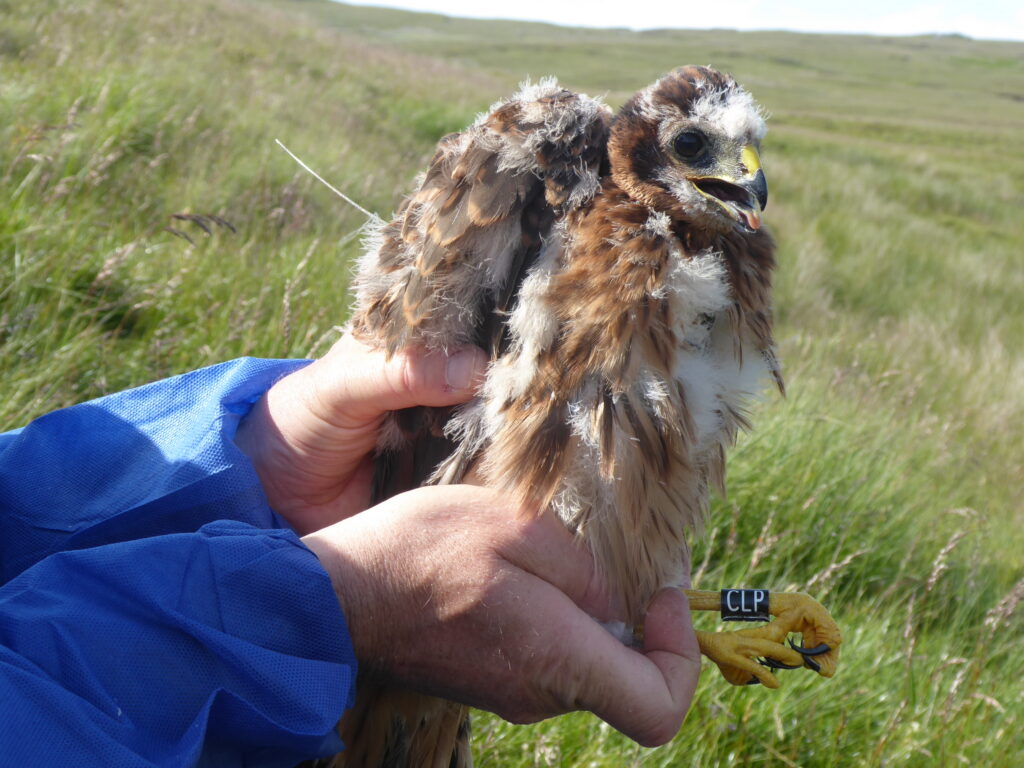
Sita, a young female Hen Harrier: Photo: NERF
An RSPB Press Release issued today reveals more detail about the location where the young female Hen Harrier, Sita – satellite tagged thanks to the generous donations from our supporters – met her untimely end, less than nine months after she fledged in the Forest of Bowland. Her last transmission was recorded on the 27th February when she was roosting for the winter, close to two large grouse moors in the Yorkshire Dales National Park.
Although the RSPB quite rightly stopped short of showing the exact location of her last transmission from the winter roost (to guard against those wishing harm to Hen Harriers), Raptor Persecution UK‘s Ruth Tingay has blogged today with a map showing just how close Sita was to two large grouse moor estates – marked in blue (Grinton Estate) and green (Bolton Estate) – when she died, most likely shot according the the RSPB. There is no evidence that either of these estates was involved in Sita’s death.
The Location of Sita's last transmission, close to two large grouse moors
Describing the Yorkshire Dales National Park as becoming ‘Ano-fly zone for birds of prey ‘, the RSPB press release noted:
“The Yorkshire Dales National Park is dominated by grouse moorland, and sadly one of the most well-known hotspots for bird of prey killing. Between 2015 and 2024, 67 confirmed or suspected incidents were recorded within or near the Park.
These include 39 incidents where birds of prey, including Peregrines, Hen Harriers, Red Kites and Buzzards, were targeted, poisoned, trapped or shot. Shockingly, the region accounted for 89% of all confirmed and suspected incidents of illegal Hen Harrier persecution between 2020 and 2024. Sita’s loss brings the total number of suspicious disappearances of tagged Hen Harriers in the area to 29.”
“The Yorkshire Dales National Park is a landscape where Hen Harriers ought to be thriving. Yet time and time again headlines about the Park are dominated by illegal persecution stories, most often associated with grouse moors. Sita’s short life and sad end should be a catalyst for change.”
It is just a few months since Paul and his production crew were filming Skydancer Day live at Malham Tarn in the Yorkshire Dales, and meeting some of the National Park team who work hard to protect wildlife in the Park. However, most of the land within the National Park is privately owned, and the Authority has limited powers to intervene.
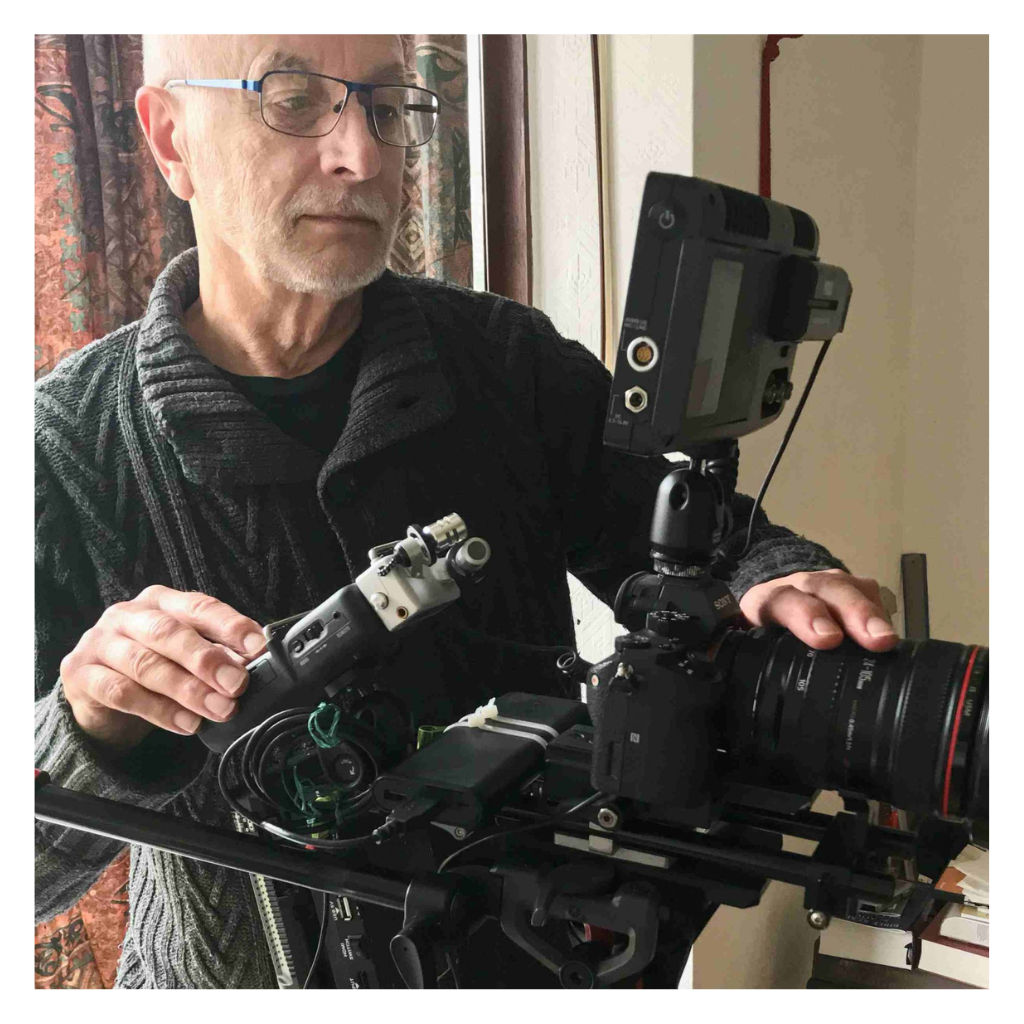
Paul Samuels, Co-chair, Hen Harrier Action
Time for a Ban on Driven Grouse Shooting?
The RSPB also used the press statement to call on the government to introduce the licensing of grouse shooting, to mirror the legislation passed in Scotland last year.
But Hen Harrier Action, along with many other organisations, authors and conservationists, believes that the growing catalogue of such incidents, and widespread public outrage at the senseless killing of these rare and charismatic birds, demands a more robust approach and a ban on driven grouse shooting.
All the evidence suggests that an end to driven grouse shooting would lead to a significant reduction in raptor persecution, and many other environmental benefits. Moorland burning releases harmful emissions, increases the likelihood of flooding downstream, and impacts valuable peatland carbon storage. Other wildlife, including foxes, stoats and corvids, is ruthlessly exterminated to protect grouse stocks using snares, traps and dangerous poisons.
Perhaps it is also time to strengthen the statutory powers of the National Park Authorities, as the environmental campaigner and best-selling author Guy Shrubsole suggested last year in his book The Lie of the Land. National parks are meant to be the pinnacle of our landscapes, he points out, hotspots for ecological recovery. He proposes that national parks should be ‘made to serve the interests of nature and the nation‘, a concept supported by 83% of the British public, according to the author.
As Hen Harrier Action’s Co-chair Paul Samuels puts it:
"Sita’s short life and sad end should be a catalyst for change."